














BeginnerVillagers
Villager trading in Minecraft: professions, workstations, best trades
All 13 villager professions and their workstations, how to reroll a librarian for Mending, and which trades are worth your emeralds.
Tested on 26.3
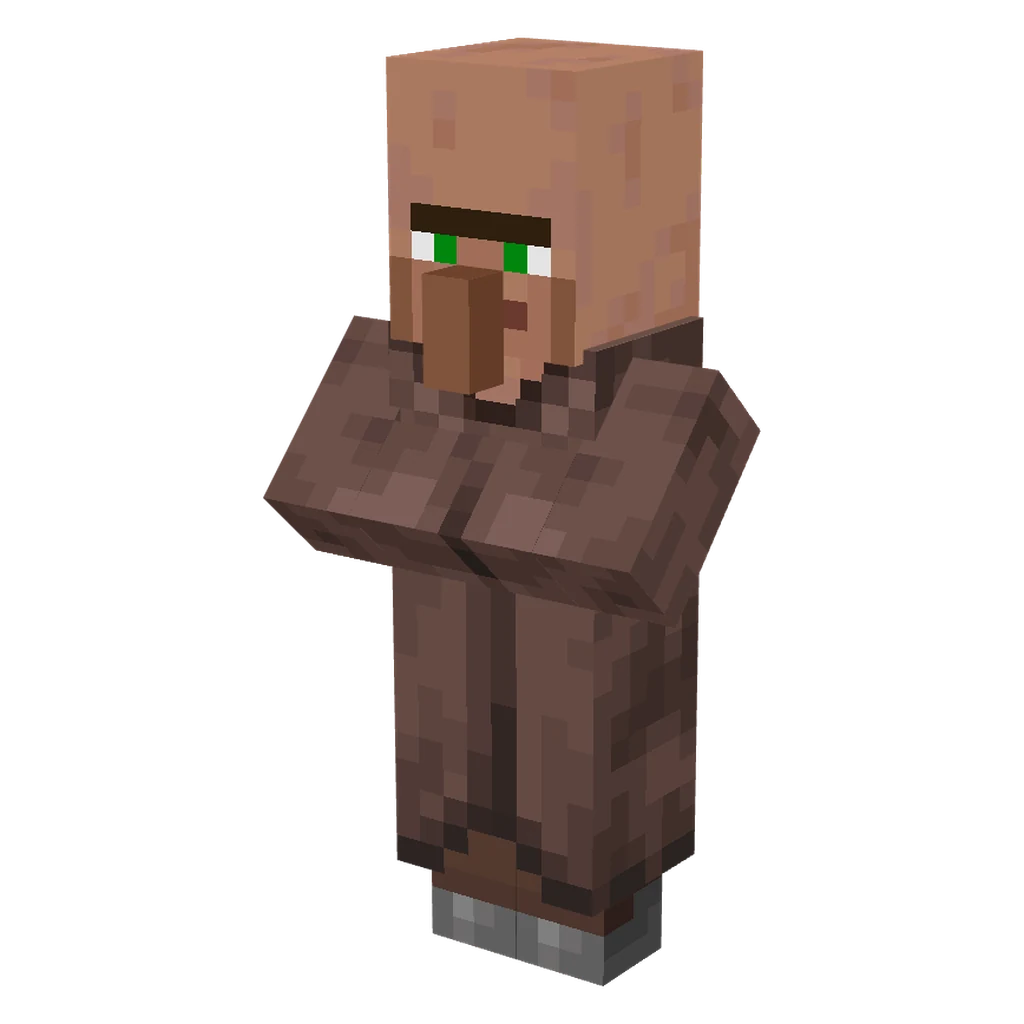
The Villager is the inhabitant of villages and the mob you trade with for emeralds, gear and enchanted books. Its job comes from the workstation it claims, its offers improve as it levels up, and a well-protected group of villagers is the best long-term source of Mending and diamond gear in the game.
// Experience drops only when a player kills it. Speeds are the game’s internal values, not blocks per second.
Villagers follow a fixed schedule, read from the game files. A day lasts 24,000 ticks (20 minutes) and tick 0 is 06:00.
From timeline/villager_schedule.json (Java 26.3).
A villager without a job takes the job of a free workstation nearby. Each card leads to the workstation block. Nitwits never take a job.
Pick a job. At each level a villager unlocks a set number of offers, drawn at random from the list. These are base prices: they drop when villagers like you and rise when an offer is in high demand. Villagers restock up to two times per day.
 36 ×Emerald
 1 ×Bell1212 uses55 XP1 ×Emerald
 1 ×Chainmail Boots1212 uses55 XP3 ×Emerald
 1 ×Chainmail Leggings1212 uses55 XP1 ×Emerald
 1 ×Chainmail Helmet1212 uses1010 XP4 ×Emerald
 1 ×Chainmail Chestplate1212 uses1010 XP
 15 ×Coal1 ×Emerald1616 uses22 XP1 ×Emerald
 5 ×Cooked Porkchop1616 uses55 XP1 ×Emerald
 8 ×Cooked Chicken1616 uses55 XP
 24 ×Paper1 ×Emerald1212 uses22 XP7 ×Emerald
 1 ×Empty Map1212 uses1*1 XP*8 ×Emerald
 1 ×Compass
 1 ×Taiga Village MapOnly villagers from: Swamp, Snowy Plains and Plains1212 uses55 XP8 ×Emerald1 ×Compass
 1 ×Swamp Hut MapOnly villagers from: Taiga, Snowy Plains and Jungle1212 uses55 XP8 ×Emerald1 ×Compass
 1 ×Savanna Village MapOnly villagers from: Plains, Jungle and Desert1212 uses55 XP8 ×Emerald1 ×Compass
 1 ×Plains Village MapOnly villagers from: Taiga, Snowy Plains, Savanna and Desert1212 uses55 XP8 ×Emerald1 ×Compass
 1 ×Jungle Pyramid MapOnly villagers from: Swamp, Savanna and Desert1212 uses55 XP1 ×Compass1 ×Emerald1212 uses2020 XP2 ×Emerald
 1 ×White Banner1212 uses1515 XP
One offer per kind, each drawn separately.
White BannerOnly villagers from: Snowy Plains and Plains Orange BannerOnly villagers from: Savanna and Desert
 Magenta BannerOnly villagers from: Savanna
 Blue BannerOnly villagers from: Snowy Plains and Taiga
 Light Blue BannerOnly villagers from: Snowy Plains and Swamp
 Yellow BannerOnly villagers from: Plains and Jungle
 Lime BannerOnly villagers from: Desert and Taiga
 Pink BannerOnly villagers from: Taiga and Plains
 Gray BannerOnly villagers from: Desert
 Cyan BannerOnly villagers from: Desert and Snowy Plains
 Purple BannerOnly villagers from: Taiga and Swamp
 Brown BannerOnly villagers from: Plains and Jungle
 Green BannerOnly villagers from: Desert, Savanna and Jungle
 Red BannerOnly villagers from: Snowy Plains and Savanna
 Black BannerOnly villagers from: Swamp1 ×Emerald
 2 ×Redstone Dust1212 uses1*1 XP*
 26 ×Potato1 ×Emerald1616 uses22 XP
 22 ×Carrot1 ×Emerald1616 uses22 XP
 15 ×Beetroot1 ×Emerald1616 uses22 XP1 ×Emerald
 6 ×Bread1616 uses1*1 XP*1 ×Emerald
 1 ×Suspicious StewOne random effect: Night Vision, Jump Boost, Weakness, Blindness, Poison and Saturation1212 uses1515 XP10 ×Coal1 ×Emerald1616 uses22 XP
 15 ×Raw Cod1 ×Emerald1616 uses1010 XP
 13 ×Raw Salmon1 ×Emerald1616 uses2020 XP
 1 ×Oak Boat1 ×Emerald1212 uses3030 XP7-21 ×Emerald
 1 ×BowEnchanted as with 5 to 19 levels33 uses1515 XP8-22 ×Emerald
 1 ×CrossbowEnchanted as with 5 to 19 levels33 uses1515 XP2 ×Emerald
 5 ×Arrow
 5 ×Tipped ArrowRandom potion effect1212 uses3030 XP
 6 ×Leather1 ×Emerald1616 uses22 XP
 26 ×Flint1 ×Emerald1212 uses1010 XP7 ×Emerald
 1 ×Leather TunicRandom dye colors1212 uses1*1 XP*
 4 ×Turtle Scute1 ×Emerald1212 uses3030 XP5 ×Emerald
 1 ×Leather CapRandom dye colors1212 uses55 XP24 ×Paper1 ×Emerald1616 uses22 XP5-64 ×Emerald
 1 ×Book
 1 ×Enchanted BookRandom enchantment, 1 of 40, price set by the enchantment and its level1212 uses1*1 XP*4 ×Book1 ×Emerald1212 uses1010 XP5-64 ×Emerald1 ×Book1 ×Enchanted BookRandom enchantment, 1 of 40, price set by the enchantment and its level1212 uses55 XP5-64 ×Emerald1 ×Book1 ×Enchanted BookRandom enchantment, 1 of 40, price set by the enchantment and its level1212 uses1515 XP4 ×Emerald1 ×Compass1212 uses1515 XP3 ×Emerald
 1 ×Red Candle1212 uses3030 XP
Every tradeable enchantment has the same chance (1 in 40), at a random level. Price in emeralds, plus 1 book. Treasure enchantments cost twice as much, up to 64.
Aqua Affinity5-19Bane of ArthropodsI5-19II8-32III11-45IV14-58V17-64Blast ProtectionI5-19II8-32III11-45IV14-58BreachI5-19II8-32III11-45IV14-58Channeling5-19Curse of Bindingtreasure ×210-38Curse of Vanishingtreasure ×210-38DensityI5-19II8-32III11-45IV14-58V17-64Depth StriderI5-19II8-32III11-45EfficiencyI5-19II8-32III11-45IV14-58V17-64Feather FallingI5-19II8-32III11-45IV14-58Fire AspectI5-19II8-32Fire ProtectionI5-19II8-32III11-45IV14-58Flame5-19FortuneI5-19II8-32III11-45Frost Walkertreasure ×2I10-38II16-64ImpalingI5-19II8-32III11-45IV14-58V17-64Infinity5-19KnockbackI5-19II8-32LootingI5-19II8-32III11-45LoyaltyI5-19II8-32III11-45Luck of the SeaI5-19II8-32III11-45LungeI5-19II8-32III11-45LureI5-19II8-32III11-45Mendingtreasure ×210-38Multishot5-19PiercingI5-19II8-32III11-45IV14-58PowerI5-19II8-32III11-45IV14-58V17-64Projectile ProtectionI5-19II8-32III11-45IV14-58ProtectionI5-19II8-32III11-45IV14-58PunchI5-19II8-32Quick ChargeI5-19II8-32III11-45RespirationI5-19II8-32III11-45RiptideI5-19II8-32III11-45SharpnessI5-19II8-32III11-45IV14-58V17-64Silk Touch5-19SmiteI5-19II8-32III11-45IV14-58V17-64Sweeping EdgeI5-19II8-32III11-45ThornsI5-19II8-32III11-45UnbreakingI5-19II8-32III11-45 16 ×Granite1 ×Emerald1616 uses2020 XP1 ×Emerald
 4 ×Dripstone Block1616 uses1010 XP
One offer per kind, each drawn separately.
1 ×Emerald 1 ×White Terracotta1212 uses1515 XP
One offer per kind, each drawn separately.
White Terracotta Orange Terracotta
 Magenta Terracotta
 Light Blue Terracotta
 Yellow Terracotta
 Lime Terracotta
 Pink Terracotta
 Gray Terracotta
 Light Gray Terracotta
 Cyan Terracotta
 Purple Terracotta
 Blue Terracotta
 Brown Terracotta
 Green Terracotta
 Red Terracotta
 Black Terracotta
 White Glazed Terracotta
 Orange Glazed Terracotta
 Magenta Glazed Terracotta
 Light Blue Glazed Terracotta
 Yellow Glazed Terracotta
 Lime Glazed Terracotta
 Pink Glazed Terracotta
 Gray Glazed Terracotta
 Light Gray Glazed Terracotta
 Cyan Glazed Terracotta
 Purple Glazed Terracotta
 Blue Glazed Terracotta
 Brown Glazed Terracotta
 Green Glazed Terracotta
 Red Glazed Terracotta
 Black Glazed Terracotta
 18 ×White Wool1 ×Emerald1616 uses22 XP
One offer per kind, each drawn separately.
White Wool Brown Wool
 Gray Wool
 Black Wool
 12 ×White Dye1 ×Emerald1616 uses1010 XP1 ×Emerald1 ×White Wool1616 uses55 XP
One offer per kind, each drawn separately.
White Wool Orange Wool
 Magenta Wool
 Light Blue Wool
 Yellow Wool
 Lime Wool
 Pink WoolGray Wool
 Light Gray Wool
 Cyan Wool
 Purple Wool
 Blue WoolBrown Wool
 Green Wool
 Red WoolBlack Wool1 ×Emerald
 4 ×White Carpet1616 uses55 XP
One offer per kind, each drawn separately.
White Carpet Orange Carpet
 Magenta Carpet
 Light Blue Carpet
 Yellow Carpet
 Lime Carpet
 Pink Carpet
 Gray Carpet
 Light Gray Carpet
 Cyan Carpet
 Purple Carpet
 Blue Carpet
 Brown Carpet
 Green Carpet
 Red Carpet
 Black Carpet
 12 ×Yellow Dye1 ×Emerald1616 uses2020 XP
One offer per kind, each drawn separately.
Yellow Dye Light Gray Dye
 Orange Dye
 Red Dye
 Pink Dye3 ×Emerald
 1 ×White Bed1212 uses1010 XP
One offer per kind, each drawn separately.
White Bed Orange Bed
 Magenta Bed
 Light Blue Bed
 Yellow Bed
 Lime Bed
 Pink Bed
 Gray Bed
 Light Gray Bed
 Cyan Bed
 Purple Bed
 Blue Bed
 Brown Bed
 Green Bed
 Red Bed
 Black Bed
 12 ×Brown Dye1 ×Emerald1616 uses3030 XP
One offer per kind, each drawn separately.
Brown Dye Purple Dye
 Blue Dye
 Green Dye
 Magenta Dye
 Cyan Dye3 ×Emerald1 ×White Banner1212 uses1515 XP
One offer per kind, each drawn separately.
White BannerOrange BannerMagenta BannerLight Blue BannerYellow BannerLime BannerPink BannerGray Banner Light Gray BannerCyan BannerPurple BannerBlue BannerBrown BannerGreen BannerRed BannerBlack Banner15 ×Coal1 ×Emerald1616 uses22 XP1 ×Emerald
 1 ×Stone Axe1212 uses1*1 XP*
One offer per kind, each drawn separately.
Stone Axe Stone Shovel
 Stone Pickaxe
 Stone Hoe
 4 ×Iron Ingot1 ×Emerald1212 uses1010 XP36 ×Emerald1 ×Bell1212 uses55 XP30 ×Flint1 ×Emerald1212 uses2020 XP6-20 ×Emerald
 1 ×Iron AxeEnchanted as with 5 to 19 levels33 uses1010 XP
 1 ×Diamond1 ×Emerald1212 uses3030 XP15 ×Coal1 ×Emerald1616 uses22 XP3 ×Emerald1 ×Iron Axe1212 uses1*1 XP*4 ×Iron Ingot1 ×Emerald1212 uses1010 XP36 ×Emerald1 ×Bell1212 uses55 XP24 ×Flint1 ×Emerald1212 uses2020 XP17-31 ×Emerald
 1 ×Diamond AxeEnchanted as with 5 to 19 levels33 uses1515 XP1 ×Diamond1 ×Emerald1212 uses3030 XP
* Not set in the trade file: the game code default applies (4 uses, 1 XP).
A villager is willing to breed once the food it carries is worth 12 points. Each baby costs both parents 12 points, and it needs a free bed. A villager carrying 24 points or more throws food to villagers that have less than 12.
Bread4 points each×3Points: villager_food component of the items. Threshold: Villager.canBreed() in the game code (26.3).
Doesn’t spawn naturally in a biome: it comes from a structure, a spawner, a block or an event.
Nothing.
Orange WoolGift6.3%Magenta WoolGift6.3%Light Blue WoolGift6.3%Yellow WoolGift6.3%Lime WoolGift6.3%Pink WoolGift6.3%Gray WoolGift6.3%Light Gray WoolGift6.3%Cyan WoolGift6.3%Purple WoolGift6.3%Blue WoolGift6.3%Brown WoolGift6.3%Green WoolGift6.3%Red WoolGift6.3%Black WoolGift6.3%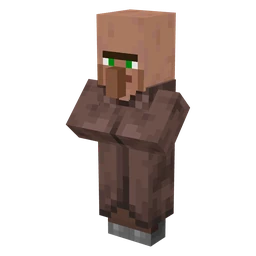 Villager20
7 variants. The game picks one when the mob spawns, based on where it appears.
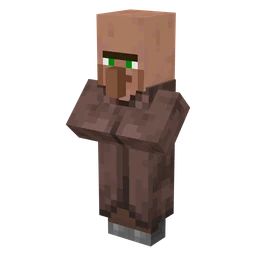 Plains
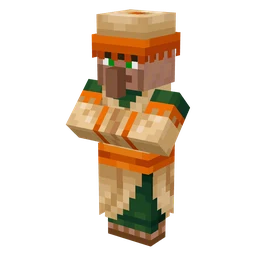 Desert
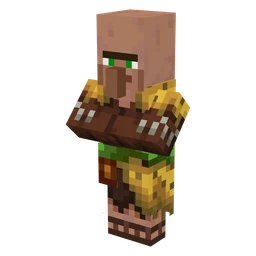 Jungle
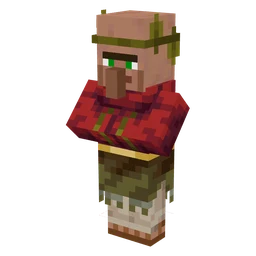 Savanna
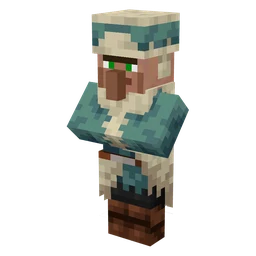 Snowy Plains
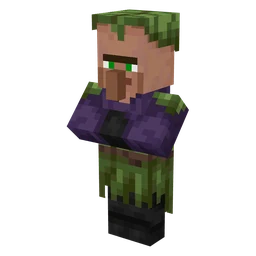 Swamp
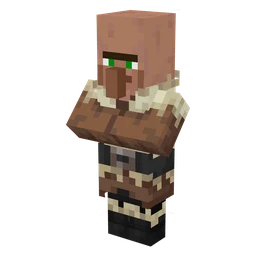 Taiga
Items to use on it and what happens.
TradeEmeraldUse it with an empty hand to open its trades. Its job decides the offers. 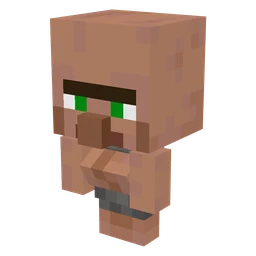 Food and free beds Villagers have children when they have plenty of food and a free bed nearby. All baby mobs →
Advancements whose criteria involve this mob, from the game files.
All 13 villager professions and their workstations, how to reroll a librarian for Mending, and which trades are worth your emeralds.
What villagers need to breed, and a small self-running breeder with two villagers, three beds, a composter and a carrot field.
Splash it with Weakness, feed it a Golden Apple, wait 3 to 5 minutes: a cured villager gives you a permanent discount, often 1-emerald books.
A compact Java iron farm: 3 villagers on beds, 1 zombie, a water-fed floor and a lava blade over a hopper. Exact layers, materials and expected output.
/summon minecraft:villager ~ ~ ~A villager without a job wears a plain brown robe. As soon as it finds a free workstation nearby, it claims it and takes the matching job:
Nitwits, in green coats, never take a job, and babies cannot either. Until you trade with a villager for the first time, its job is not final: break its workstation and place it again, and it draws a new set of offers. After the first trade, the job and the offers are locked for good.
Each job has five levels: Novice, Apprentice, Journeyman, Expert and Master. A villager starts with two offers, and every new level adds two more from that job's list. Each trade fills its experience bar a little. Offers run out after a set number of uses, and the villager restocks them when it works at its workstation, up to twice a day. Prices rise when you buy the same thing a lot and drop when the villager likes you.
Two villagers breed when they are willing and there is a free bed with room above it for the baby. They become willing once they carry enough food: about three loaves of bread, or twelve carrots, potatoes or beetroots. Throw food to them, or let a farmer do the work: farmers harvest and replant fields, pick up crops and share food with other villagers. Every villager needs its own bed, so the number of beds caps the population.
✓ Checked in Java Edition 26.3 · updated 1 November 2026
Break its workstation before you trade with it, then place another one. Once you have traded, the job is locked.
Place a lectern next to an unemployed villager and check its offers. If Mending is not there, break and replace the lectern until it appears, then trade once to lock it.
Nothing useful. A nitwit, in a green coat, never takes a job and cannot trade, but it can still breed.
At 18:00 in-game (tick 12,000). They wake up at 06:00, work from 08:00 to 15:00, then gather at the village bell until 17:00.
Food worth 12 points: Bread ×3, Beetroot ×12, Carrot ×12 or Potato ×12. Each baby costs both parents 12 points, and it needs a free bed.
 Armadillo
 Bat
 Camel
 Camel Husk
 Cat
 Chicken
 Cod
 Copper Golem
 Cow
 Donkey