








Ocean Ruins structure in Minecraft
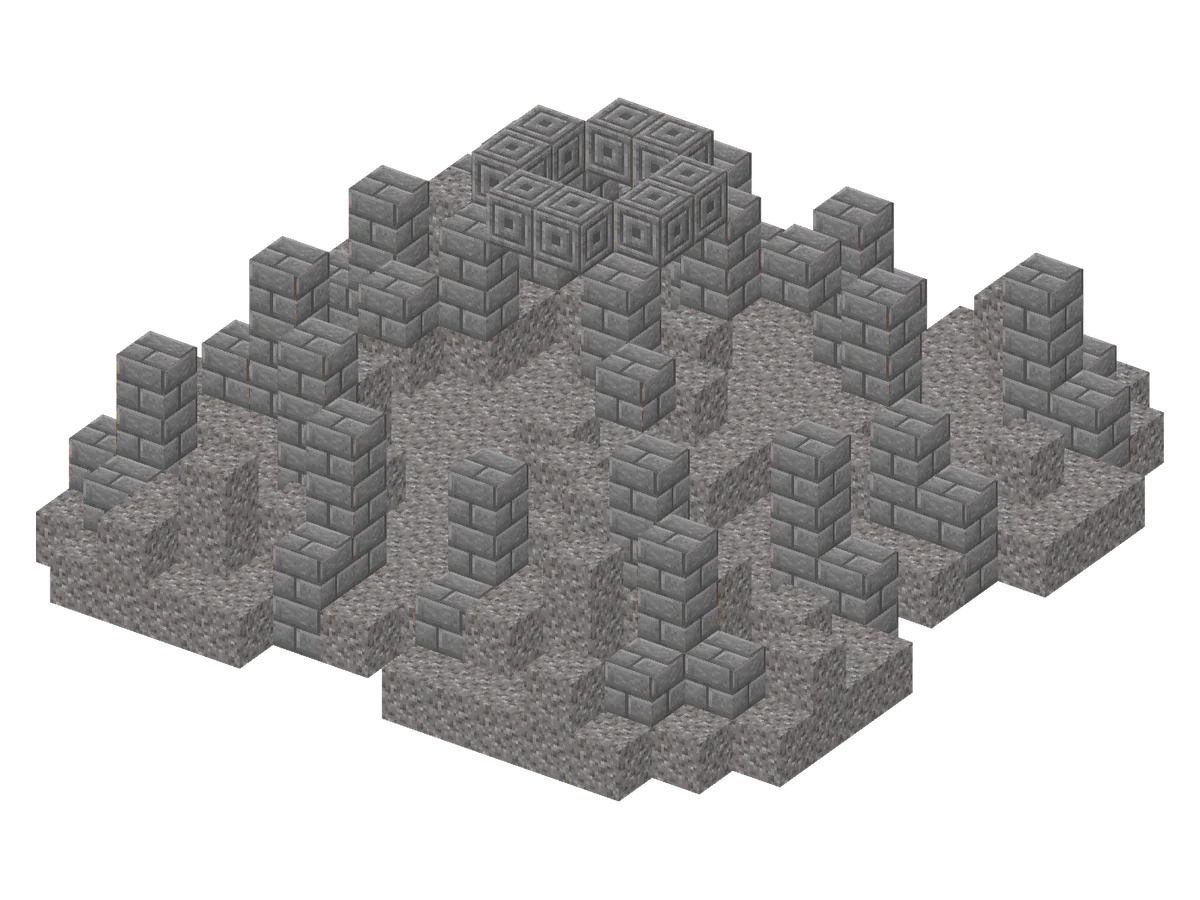
Ocean Ruins are the sunken remains of small stone buildings scattered across the seabed: stone brick ruins in cold and temperate oceans, sandstone ruins in warm ones. They hide a chest that often holds a Buried Treasure Map, a few Drowned, and suspicious blocks you can brush for pottery sherds and, in warm ruins, a Sniffer Egg.
Game data
- Dimension
- Overworld
- Biomes
- 9 biomes
- Spacing
- 20 chunks
- Separation
- 8 chunks
- Best loot
 Diamond Nautilus Armor,
 Golden Apple,
 Emerald
How to find Ocean Ruins
/locate structure minecraft:ocean_ruin_coldCheats on, in the right dimension. It gives the coordinates of the nearest one.
Map by Chunkbase, shown as a companion to this guide. Without your seed, it shows an example world. Results depend on the edition and version you pick.
Found in these biomes · 9
Ocean Ruins in numbers
- Nearest from spawn
- ~470 blocksaverage, 1,000 worlds
- Within 500 blocks
- 61.4%of worlds
- Density
- 2.9per 1,000 × 1,000 blocks
 Ocean23.4%Cold Ocean15.2%Lukewarm Ocean14.5%Deep Ocean12.7%Deep Lukewarm Ocean8.1%Deep Cold Ocean8%
 Frozen Ocean7.4%
 Warm Ocean6.8%
// 1,000 random seeds, normal world. Positions from the placement rules and a biome check (cubiomes, Java 26.2 generation, plus the 26.3 Dappled Forest rule and Abandoned Camp). Terrain is not simulated. Estimates, not exact 26.3 values.
Ocean Ruins variants
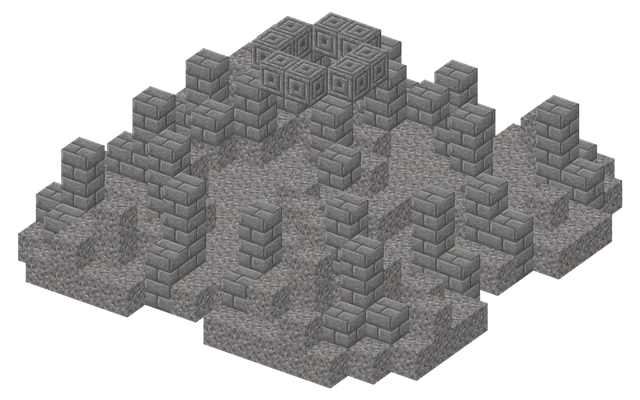 Variant Cold Ocean Cold Ocean, Deep Cold Ocean, Deep Frozen Ocean, Deep Ocean +2 more
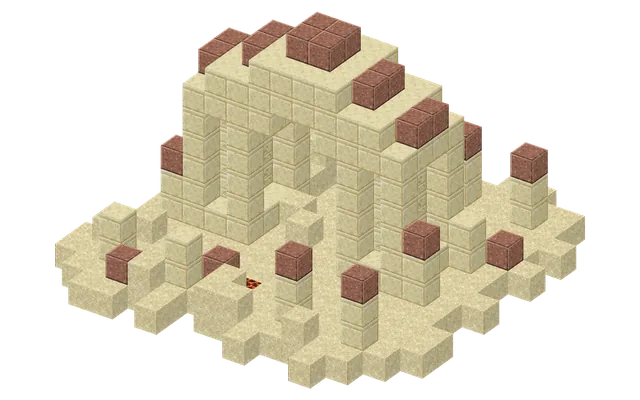 Variant Warm Ocean Deep Lukewarm Ocean, Lukewarm Ocean, Warm Ocean
Mobs in Ocean Ruins
Ocean Ruins loot
chance per item drawn · 4 loot tablesBest finds
4.3%Golden AppleLarge ruins1.1%Diamond Nautilus ArmorLarge ruins, Small ruins3.3%EmeraldLarge ruins, Small ruins By container · 2
4.3%1.1%3.0% 43.5%1.1%3.3%41.7%
 41.7%
All 17 items · chance per item drawn


 Golden AppleLarge ruins4.3%EmeraldLarge ruins, Small ruins3.3%
 Diamond Nautilus ArmorLarge ruins, Small ruins1.1%
Best finds
 6.7%Sniffer EggWarm ruins · suspicious sand
 6.7%Angler Pottery SherdWarm ruins · suspicious sand13.3%EmeraldCold ruins · suspicious gravel, Warm ruins · suspicious sand
By container · 2
6.7%6.7% 6.7%
 6.7%
 6.7%
 6.7%
 6.7%
 6.7%
All 14 items · chance per item drawn
 CoalCold ruins · suspicious gravel, Warm ruins · suspicious sand13.3%EmeraldCold ruins · suspicious gravel, Warm ruins · suspicious sand13.3%
 Gold NuggetCold ruins · suspicious gravel, Warm ruins · suspicious sand13.3%
 WheatCold ruins · suspicious gravel, Warm ruins · suspicious sand13.3%
 Angler Pottery SherdWarm ruins · suspicious sand6.7%
 Sniffer EggWarm ruins · suspicious sand6.7%
What Ocean Ruins is built from


 Magma Block0.80%

Share of the structure’s own blocks, terrain excluded. Example: Cold Ocean.
Key blocks


How to find Ocean Ruins
Ocean Ruins are very common: the game tries to place one site in every 20 × 20 chunk region, with at least 8 chunks between two of them. Which version you get depends on the water. Cold ruins, made of Stone Bricks in mossy, cracked and chiseled variants on a bed of gravel, generate in frozen, cold, normal and deep oceans. Warm ruins, made of sandstone on sand, generate in the Lukewarm Ocean, its deep version and the Warm Ocean.
About three sites in ten are built around a large ruin, a 16-block cube of walls and arches, and most of those come with a group of small ruins scattered around them. The others are a single small ruin. In warm, clear water you can see them from a boat; in cold oceans, look for straight edges and gravel patches on the seabed.
Drowned, magma and other dangers
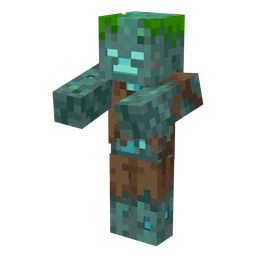
/execute in minecraft:overworld run tp @s -3462.5 49 -1818.5 -85 28Every large ruin comes with one to four Drowned placed in it when it generates, and about half of the small ruins have some too. Some hold a trident and will throw it at you from a distance, so clear them before you start digging. Ruins are also dotted with Magma Blocks: underwater, each one creates a bubble column that drags you down and burns your feet if you stand on it. Mark them or cover them with a block before you work nearby.
The ruins themselves are crumbling, with missing blocks and half-buried walls, so the chest is not always in plain sight. Swim around the base of the walls before you give up on one.
The chest and its treasure map
Almost every ruin hides one chest, often partly buried in the sand or gravel. Small ruins give coal, wheat, stone tools and sometimes an emerald. Large ruins add gold nuggets and a chance of a Golden Apple. In both, a little over four chests in ten contain a Buried Treasure Map, which leads to a Buried Treasure on a nearby beach. Together with Shipwrecks, ruins are the easiest source of these maps.
Underwater archaeology: suspicious sand and gravel
/execute in minecraft:overworld run tp @s -2085.5 58 1116.5 -90 4Some of the sand and gravel inside the ruins is not what it seems. Cold ruins hide Suspicious Gravel, warm ruins Suspicious Sand. Both look slightly different from the normal block, and both work underwater. Hold use on them with a Brush (a feather, a copper ingot and a stick) until the item pops out.
- Cold ruins can give the Blade, Explorer, Mourner and Plenty pottery sherds.
- Warm ruins can give the Angler, Shelter and Snort pottery sherds, and the rare Sniffer Egg.
- Both can also give emeralds, an iron axe, wheat, a wooden hoe, coal or gold nuggets.
Never break a suspicious block with a tool: the item is lost. Do not dig under it either. Suspicious sand and gravel fall like normal sand, and a fallen block breaks with its loot.
What to do with your finds
Sherds go on the sides of a Decorated Pot. Collect four different designs to make a pot with a picture on every face. The Sniffer Egg is the real prize: place it on land and it hatches into a Sniffer, an ancient mob that digs up seeds of plants you cannot find anywhere else. It hatches faster on a Moss Block.
✓ Checked in Java Edition 26.3 · updated 1 November 2026
Ocean Ruins — FAQ
What is the difference between warm and cold Ocean Ruins?
Cold ruins are stone brick and appear in frozen, cold, normal and deep oceans; warm ruins are sandstone and appear in lukewarm and warm oceans. Their suspicious blocks also differ: gravel with four sherds in cold ruins, sand with three sherds and a Sniffer Egg in warm ones.
How do you get a Sniffer Egg from Ocean Ruins?
Brush the Suspicious Sand in warm Ocean Ruins. The Sniffer Egg is one of its rare results, so plan to brush several blocks.
Can you brush suspicious sand underwater?
Yes. The Brush works underwater exactly like on land; just bring enough air for the time it takes.
Why can't I find the chest in an Ocean Ruin?
The chest is often half buried in the sand or gravel at the foot of a wall, and the odd small ruin has no chest at all. Swim slowly around the base of each ruin.
How do you find Ocean Ruins?
Use /locate structure #minecraft:ocean_ruin with cheats on, or look in 9 Overworld biomes, for example Cold Ocean, Deep Cold Ocean and Deep Frozen Ocean.
 Abandoned Camp
 Ancient City
 Buried Treasure
 Desert Pyramid
 Igloo
 Jungle Pyramid
 Mineshaft
 Ocean Monument
 Pillager Outpost
 Ruined Portal
 Shipwreck
 Stronghold