







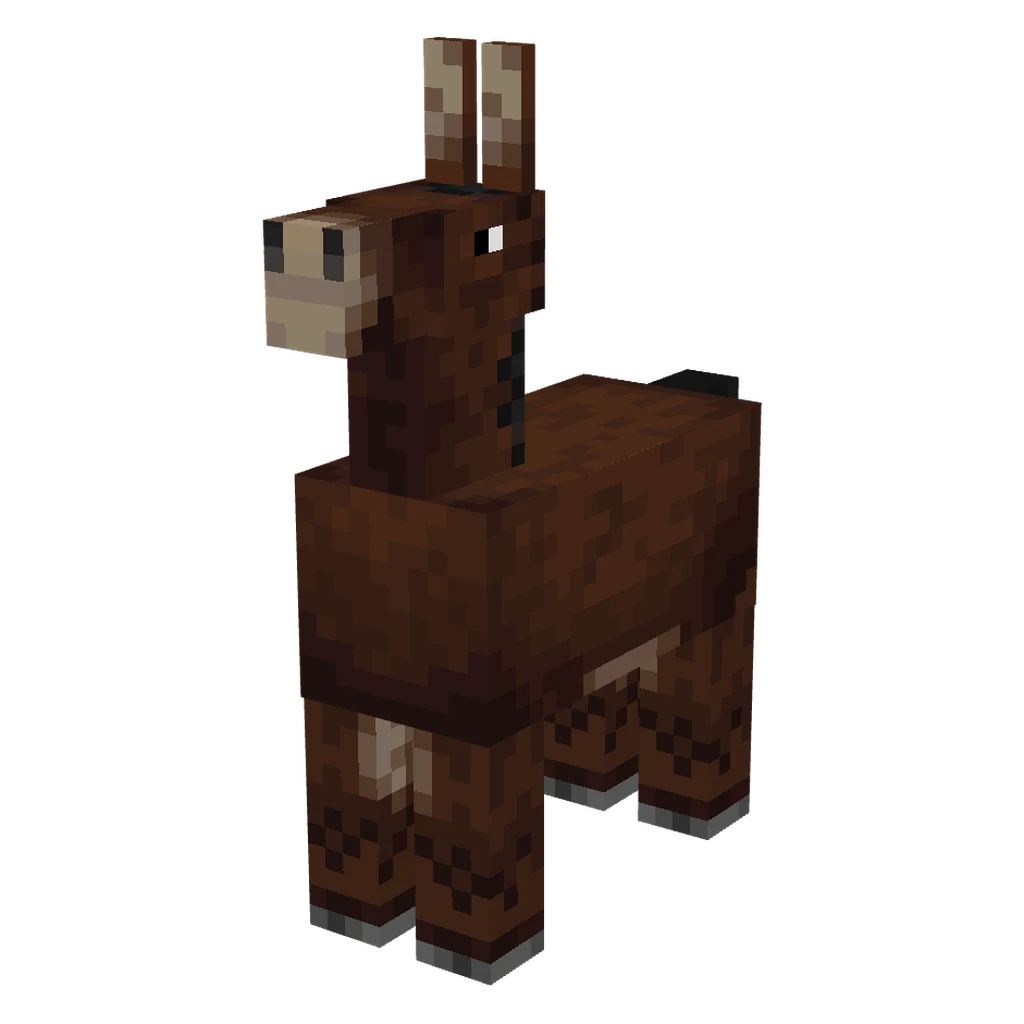
Mule mob in Minecraft
The Mule is the offspring of a horse and a donkey. It never spawns in the wild and cannot breed, but once tamed it carries a chest like a donkey and can be saddled and ridden.
- Health
- 15 to 307.5 to 15 hearts
- Behavior
- Passive
- Food


 +4 more
- Found in
- Not in the wild
Mule stats
- Health
- 15 to 30 7.5 to 15 heartsRandom, set when it spawns
- Behavior
- Passive
- Main drop
 Leather
- Spawns in
- —
- Size
- 1.396 × 1.6 blocks
- XP when killed
- 1 to 3none as a baby
- Speed
- 0.175
- Detection range
- 16 blocks
- Tempt range
- 10 blocks
// Experience drops only when a player kills it. Speeds are the game’s internal values, not blocks per second.
Where to find Mule
Doesn’t spawn naturally in a biome: it comes from a structure, a spawner, a block or an event.
Mule drops
 Anything a player put on itAlways dropped: Saddle100%
 Its chest and everything stored in itAlways dropped100%
Health compared
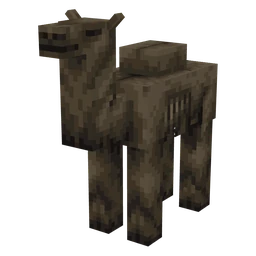
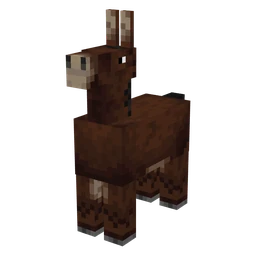 Mule15–30

Mule and its family
Mobs built on the same base in the game code, compared on their game values.
| Mob | Health | XP | Speed | Horse armor | Breathes underwater | Ignores Poison and Regeneration | Inverted healing | Weak to Smite | Undead |
|---|---|---|---|---|---|---|---|---|---|
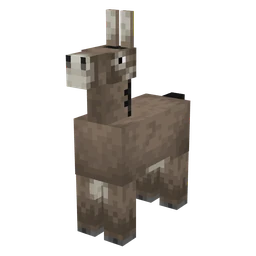 Donkey | 15–30 | 1–3 | 0.175 | · | · | · | · | · | · |
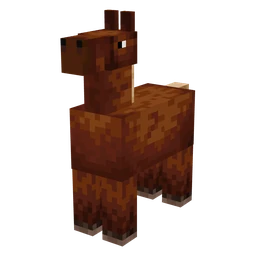 Horse | 15–30 | 1–3 | 0.225 | ✓ | · | · | · | · | · |
| Mule | 15–30 | 1–3 | 0.175 | · | · | · | · | · | · |
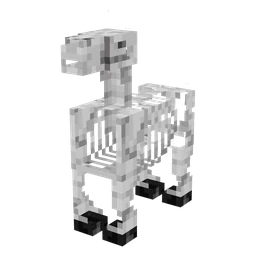 Skeleton Horse | 15 | 1–3 | 0.2 | · | ✓ | ✓ | ✓ | ✓ | ✓ |
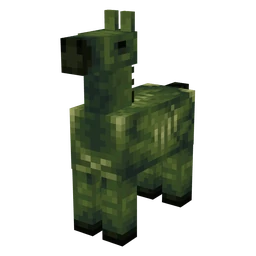 Zombie Horse | 25 | 1–3 | 0.225 | ✓ | ✓ | ✓ | ✓ | ✓ | ✓ |
Traits
Properties set in the game files.
Food and breeding
Items it eats, follows or breeds with.
Each food adds taming points: the chance to tame it on the next ride. Bars show that added chance.
Golden Appleheals 10 health · baby grows 240 s sooner+10%Enchanted Golden Appleheals 10 health · baby grows 240 s sooner+10% Golden Carrotheals 4 health · baby grows 60 s sooner+5%Appleheals 3 health · baby grows 60 s sooner+3%Carrotheals 3 health · baby grows 60 s sooner+3%
 Wheatheals 2 health · baby grows 20 s sooner+3%
 Sugarheals 1 health · baby grows 30 s sooner+3%
 Hay Baleheals 20 health · baby grows 180 s sooner—
// Each failed ride also adds 5 points.
What you can do with Mule
Items to use on it and what happens.
Add a chestChestOnce tamed, put a Chest on it to carry items. Baby Mule
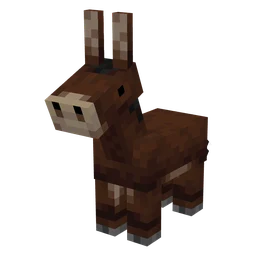 Horse × Donkey Breeding a Horse with a Donkey gives a baby Mule. Mules cannot breed. All baby mobs →
Gear and tools
Items it can wear, and items you use on it.
Advancements with Mule
Advancements whose criteria involve this mob, from the game files.

Command
/summon minecraft:mule ~ ~ ~How to get a mule
There is only one way: breed a tamed horse with a tamed donkey. Stand them close together and feed each one a golden carrot or a golden apple. Hearts appear and a baby mule spawns between them. It does not matter which of the two you feed first.
Horses spawn in plains and savannas and donkeys in the same biomes plus meadows, so one trip is usually enough to bring back one of each. Lead them home with a lead after taming them.
Taming and riding
A young mule cannot be ridden or saddled. Once it is an adult, climb on with an empty hand; if it bucks you off, keep trying until hearts appear, as with a horse. Feeding it sugar, wheat, apples or hay bales helps, and the same foods make the foal grow up faster. Then put a saddle on it to steer.
A mule cannot wear horse armor, and like every member of the horse family it throws you off when it goes underwater.
A pack animal with a chest
Use a chest on a tamed adult mule to give it fifteen extra slots, exactly like a donkey. Open them from its inventory while riding. If the mule dies, the chest and its whole content drop on the ground, so keep it away from danger on long trips.
Why mules cannot breed
Feeding golden food to two mules does nothing: mules are sterile. Every new mule needs a horse and a donkey. If you want a steady supply, keep a tamed pair of parents in a stable and breed them again once their cooldown ends.
✓ Checked in Java Edition 26.3 · updated 1 November 2026
Mule — FAQ
Can two mules breed?
No. Mules are sterile. Each mule comes from a tamed horse bred with a tamed donkey.
Is a mule better than a donkey?
They carry the same fifteen-slot chest. A mule's speed, jump and health come from both parents, so one bred from a fast horse can be quicker than a donkey.
Where does the Mule spawn?
Nowhere: mules never spawn on their own. You only get one by breeding a tamed horse with a tamed donkey.
What does a Mule drop?
Leather. It also drops anything a player put on it and its chest with everything in it.
How much health does a Mule have?
It changes from one animal to the next: 15 to 30 health points (7.5 to 15 hearts), picked at random when it spawns. A baby bred by players stays in the same range.
 Armadillo
 Axolotl
 Bat
 Camel
 Cat
 Chicken
 Cod
 Copper Golem
 Cow