




Mob
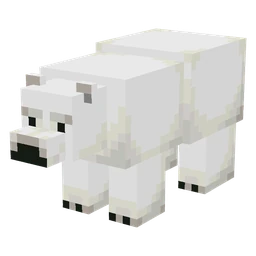
Polar Bear
Spawns in snowy biomes such as Snowy Plains and Ice Spikes. Polar Bears are neutral, but adults attack players who come close to their cubs.
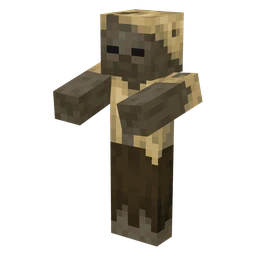
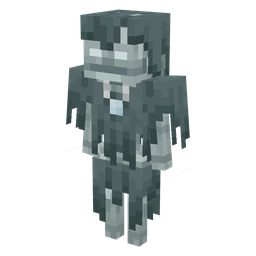
Released on 8 June 2016, Minecraft Java Edition 1.10, the Frostburn Update, adds three mobs: the Polar Bear, the Husk and the Stray. It also brings underground fossils, the Magma Block, Nether Wart Blocks, Red Nether Bricks, a working Structure Block and an auto-jump option. It runs on Java 8.
The changes you will notice first, with the pages that go deeper.
Spawns in snowy biomes such as Snowy Plains and Ice Spikes. Polar Bears are neutral, but adults attack players who come close to their cubs.
The Magma Block generates in the lowest parts of the Nether and damages mobs and players on top of it, but not items. Sneaking, Fire Resistance or Frost Walker boots keep you safe.
Bone structures in the shape of skulls and spines, buried underground. Their Bone Blocks are also crafted from 9 Bone Meal, and turn back into it.
Mods must be rebuilt for each version. Counts from the files published on Modrinth and CurseForge, in our catalog.
58 mods in our catalog have a 1.10 file →40 texture packs and 27 maps in our catalog support 1.10.
Open the Minecraft Launcher and select Minecraft: Java Edition.
Go to Installations, create a new installation and choose version 1.10.
Back up your worlds before opening them in a new version.
3 snapshots, 2 pre-releases and 0 release candidates over 21 days.
On 8 June 2016, for Java Edition. The Frostburn Update followed 1.9.4 and got two updates, 1.10.1 on 22 June and 1.10.2 on 23 June 2016. The next major version, 1.11, came out on 14 November 2016.
Java 8. The official launcher runs 1.10 with its own Java 8 runtime.
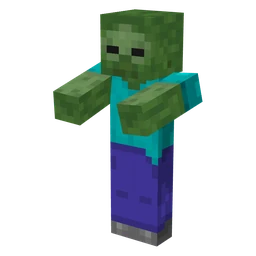
Polar Bears spawn in snowy biomes such as Snowy Plains and Ice Spikes. In deserts, Husks replace most Zombies that spawn under the open sky, and in snowy biomes Strays replace most Skeletons that spawn under the open sky.
No. 1.10 uses a new network protocol, so it only joins servers running 1.10, 1.10.1 or 1.10.2. Worlds from 1.9 can still be opened in 1.10.